
Cleveland Fed's Hammack Signals Rate-Cutting Cycle May Be Nearing Its End
Cleveland Federal Reserve President Beth Hammack indicated on Thursday that the central bank's current cycle of interest rate reductions could be approaching its conclusion, emphasizing the need to maintain a policy stance restrictive enough to ensure inflation returns to the 2% target.
Speaking to CNBC, Hammack, who will be a voting member of the Federal Open Market Committee in 2026, stated that current monetary policy is "barely restrictive, if at all." She advocated for maintaining a "somewhat restrictive stance" to continue guiding inflation downward, placing herself in the more hawkish camp focused on price stability.

"I think we need to maintain a modestly, somewhat restrictive stance of policy to make sure that we are continuing to bring inflation back down to our 2% objective," Hammack said.
The policymaker suggested that the current federal funds rate target range of 3.75%-4% is "right around a neutral rate," implying limited room for further reductions. Her comments come as market expectations have shifted, with traders now seeing about a 60% chance the Fed will hold rates steady at its upcoming December meeting, according to the CME FedWatch tool. This reflects a sharp divide among committee members, as detailed in recently released meeting minutes.
While focused on inflation, Hammack also expressed concern about economic pressures on households, drawing from interviews conducted in her district. She noted that workers are holding onto jobs tightly in a "low-hiring, low-firing" environment and are acutely feeling the pinch of higher prices. "What used to cost $30 now costs $50," she said, highlighting that "inflationary pressure is still very salient for them."
Regarding the latest jobs report, which showed stronger-than-expected payroll growth alongside a rising unemployment rate, Hammack described the picture as "mixed." Her remarks underscore the delicate balancing act the Fed faces between a softening labor market and persistent inflation as it determines the endpoint for its easing policy.
Recent
News



Newsletter
Subscribe to our mailing list to get the new updates!

Subscribe our newsletter to stay updated
Most
Reviews
Finance

Business


Finance
- Thu, 15 Jan 2026
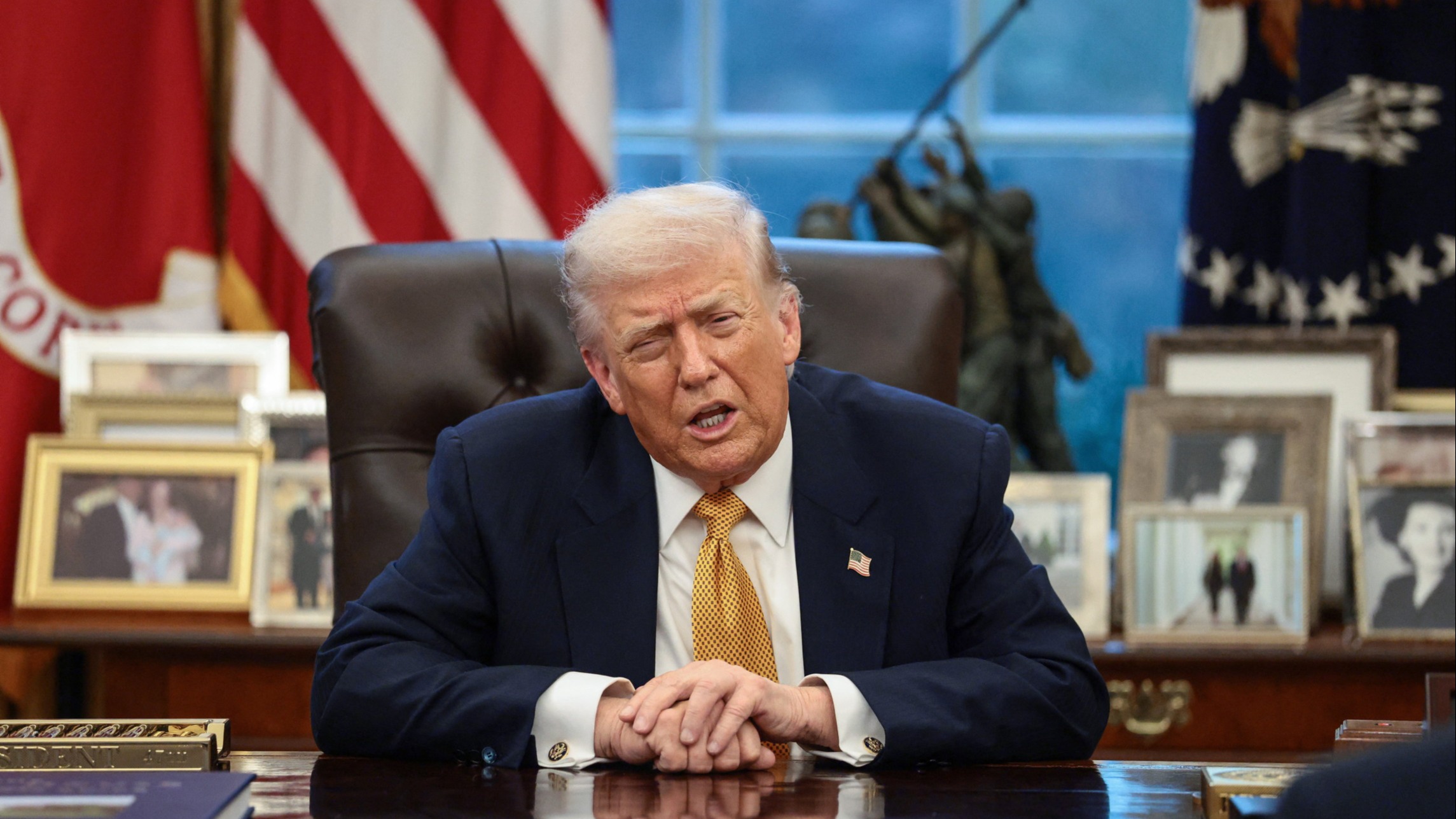
FirstFT: Trump says he has received assurances on Iran protesters
Finance